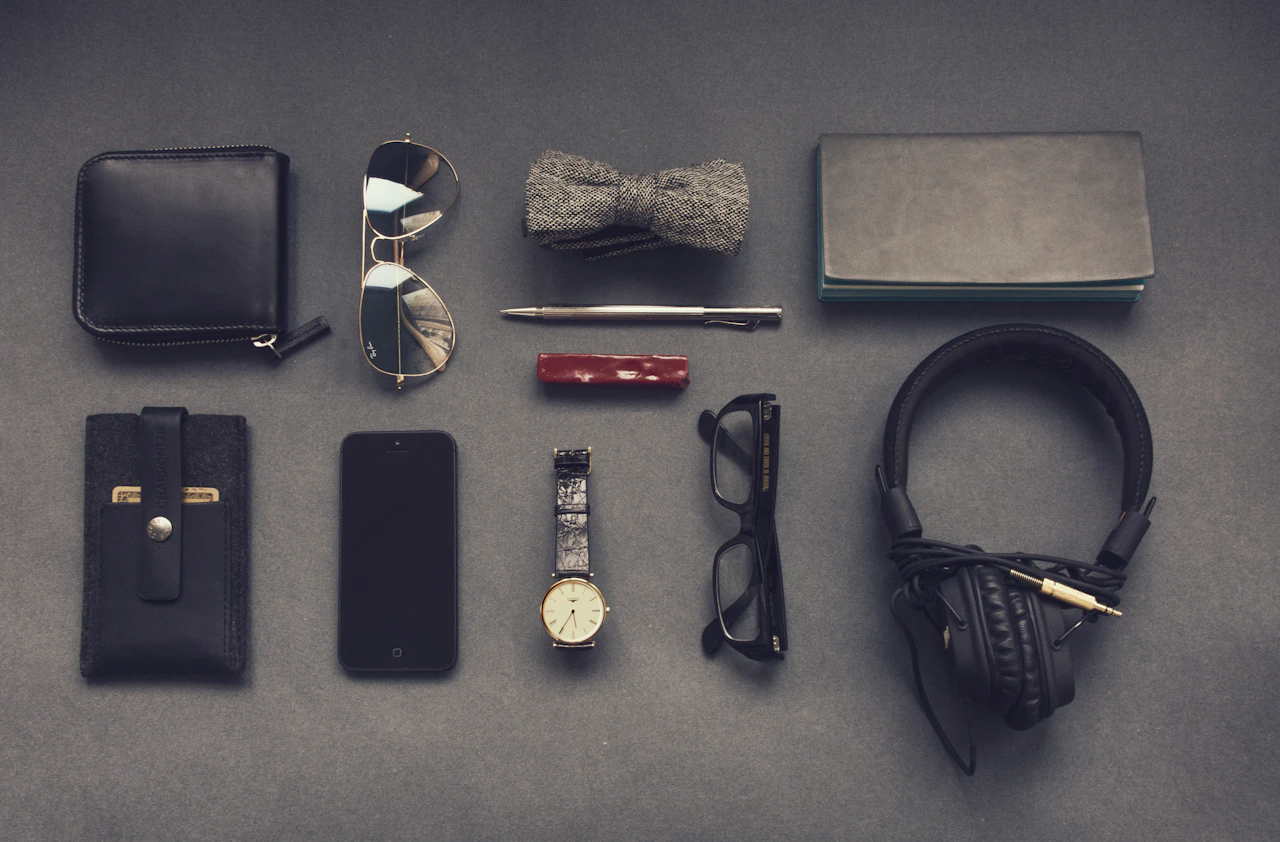
If you buy Apple gear for the long haul, the smartest accessory strategy is not “buy more.” It is “buy fewer, better utility pieces” that protect expensive devices, reduce cable clutter, and make everyday use easier. That means a good MacBook Air deal strategy matters, but so does choosing the right case, charging cable, and screen protection so your setup stays clean and functional for years. In other words, the right accessories should feel invisible when everything is going well and essential when something goes wrong.
This guide is built for value shoppers who want a practical accessory buying guide, not a hype list. We will focus on Apple accessories that earn their place: an iPhone 17 case that actually protects, a screen protector that prevents expensive repairs, a USB-C cable that survives daily charging, and a Thunderbolt 5 cable that is worth paying for only when your workflow truly needs it. We will also show how to compare prices, spot false discounts, and avoid the classic mistake of overspending on flashy add-ons that deliver almost no utility.
Recent deal coverage has highlighted discounted Nomad leather iPhone 17 cases, Apple Thunderbolt 5 cables, and black USB-C cables alongside broader Apple hardware savings. That mix is a useful reminder: accessories can be the hidden wins in an Apple purchase plan if you know what to buy, what to ignore, and when a premium item actually saves money over time.
What Actually Counts as a “Setup Essential” for Apple Users
Protection first: the accessories that prevent expensive mistakes
The best Apple accessories do not just look nice on a desk. They reduce the odds of cracking a display, fraying a cable, or damaging a charging port. For most people, that means a case, a screen protector, and at least one reliable charging cable are the real baseline. These items are boring in the best possible way because they prevent the kinds of small failures that can become costly repairs or annoying downtime.
Think of it the same way smart shoppers think about any purchase in a high-waste category: quality now usually beats replacement later. That mindset aligns with the broader logic behind spotting real discount opportunities without chasing false deals. A “cheap” case that cracks after six weeks is not a bargain, and a bargain cable that wobbles in the port is a risk, not a savings strategy.
Convenience second: accessories that improve daily friction points
Once protection is covered, the next level is convenience. This is where MagSafe-compatible stands, cable organizers, multi-port chargers, and the right length of USB-C cable can make your Apple setup feel more polished. A setup that charges from one cable, syncs from one dock, and travels with one compact case is easier to maintain and easier to enjoy.
Value shoppers often underestimate how much friction matters. If an accessory removes one small annoyance every day, it can pay for itself quickly in time saved and fewer replacements. That is the same principle behind many practical buying frameworks, from value-based gift bundles to the kind of curated shopping logic used in strong deal directories.
Luxury third: only after utility and durability
Premium materials are not automatically bad, but they should be justified by performance. A leather case, for example, is worthwhile when you care about hand feel, patina, and long-term durability. That is why products like a Nomad leather case are compelling for buyers who want something refined without jumping to unnecessary luxury. The key question is not “Is it premium?” but “Does the premium materially improve use, protection, or longevity?”
That same discipline helps you avoid overspending on accessories that are styled to look premium but function like cheaper alternatives. If the product does not materially improve your daily setup, it is probably not an essential. And if you are still comparing the broader device purchase itself, it is smart to pair accessory decisions with a careful read of whether to buy now or wait for better MacBook Air deals.
Apple Accessories Worth Buying First, Ranked by Real Utility
1. iPhone case: your first line of defense
An iPhone case is the one accessory most buyers should not skip. Even careful users eventually drop their phone, slide it across a table, or pack it too tightly with keys and coins. A well-built iPhone 17 case should offer grip, button responsiveness, raised lip protection, and a fit that does not loosen over time. Leather, silicone, and rugged cases each have trade-offs, but all are better than naked-device optimism.
For most shoppers, the ideal case is the one that balances protection and comfort. If you hate bulky cases, look for slim models with reinforced corners. If you are rough on devices, prioritize drop protection over fashion. The right choice is less about brand prestige and more about matching your actual use pattern, much like choosing the right travel upgrade in a guide such as luxury at every level.
2. Screen protector: cheap insurance for a very expensive screen
A screen protector is one of the clearest value buys in the Apple ecosystem. A good tempered glass protector can help prevent scratches from keys, reduce scuffs from abrasive surfaces, and in some cases absorb impact before the display does. Even if you never crack your screen, the real win is preserving resale value and reducing the visual wear that makes a device feel old too quickly.
Buyers should pay attention to clarity, touch sensitivity, edge adhesion, and alignment tools. The cheapest option is not always best if it clouds the display or interferes with swipe gestures. If you care about resale, this is where a small upfront spend can pay off later, especially when paired with sensible upkeep and reselling strategies for unwanted tech.
3. USB-C cable: not all charging cables are equal
USB-C has become the universal workhorse for modern Apple setups, but not every cable is built for the same job. Some are fine for overnight charging, while others support higher wattage, faster data transfer, or display output. If you only buy one, choose a reputable cable with clear specs, sturdy strain relief, and the right length for your desk or travel bag.
For everyday charging, a quality USB-C cable is one of the easiest ways to reduce frustration. It should sit securely in the port, resist fraying near the connector, and support the speeds you actually need. When you are shopping for budget tech accessories, cable quality is one of the easiest places to get tricked by low prices that hide weak materials or vague specifications.
4. Thunderbolt 5 cable: buy for performance, not prestige
A Thunderbolt 5 cable is only worth the premium if your setup can use its speed and bandwidth. That means external SSDs, docks, multi-display workflows, or serious creator and developer use cases. If your day is mostly charging, browsing, and basic file transfer, a standard USB-C cable is usually enough. But if you are moving large media files or driving high-performance peripherals, the right Thunderbolt 5 cable can make your workstation feel much faster.
Many shoppers overspend here because the branding sounds advanced. The smarter move is to match cable speed to actual workload. In the same way you would not buy enterprise infrastructure for a simple personal project, you should not pay top dollar for bandwidth you will never use. That logic is closely related to practical procurement thinking in pieces like a cost and procurement guide for big-ticket tech.
5. Charging brick, stand, and dock: useful only if they simplify your routine
The best multi-device accessories are the ones that replace clutter, not add to it. A compact charging brick can be great if you travel often, while a stand can be useful if it improves desk ergonomics or keeps your phone visible during calls. Docks are helpful when they consolidate cables, but only if they are compatible with your displays and storage devices.
Before buying, ask whether the accessory eliminates a problem you already have. If not, it is probably just a nice object. This approach is the same one smart shoppers use in categories from budget experiences to tech: value comes from usefulness, not visual novelty.
How to Compare Accessories Without Getting Misled by Marketing
Check the spec sheet, not just the product page headline
Apple accessories often look similar in photos, but the differences are in the details. For cases, check drop rating, material, MagSafe alignment, and button feel. For screen protectors, check hardness rating, coating quality, and installation method. For cables, check wattage, data transfer standard, and length. The headline may say “premium,” but the specs tell you whether the product is actually fit for purpose.
This is a critical skill in all deal shopping. A clean-looking discount does not guarantee value, and a nice landing page does not guarantee durability. If you want to sharpen your instincts, the principles in how to navigate online sales and how to spot real discount opportunities are surprisingly useful for accessory buying too.
Estimate total cost of ownership, not just checkout price
A budget accessory becomes expensive if you replace it three times in a year. That is why total cost of ownership matters. If a $12 cable fails after six weeks but a $24 cable lasts three years, the cheaper option was actually more costly. The same logic applies to cases that discolor, crack, or stop fitting properly after a few months.
When you compare accessories, think in terms of months of reliable use per dollar. It is not complicated, but it changes decisions fast. The best buys are durable enough that you forget about them, which is exactly the kind of silent value that makes a setup feel better without forcing a larger budget.
Use discount timing strategically
Accessory pricing tends to fluctuate around launches, seasonal sales, and retailer promos. If a new iPhone launches, older case designs may go on sale. If a MacBook refresh hits, Thunderbolt accessories often get bundled in promos. The smartest shoppers line up accessory buys with broader deal cycles instead of buying everything at full price on day one.
That approach is especially helpful if you are also timing a hardware purchase. For example, a user tracking a new laptop deal can pair it with a case, cable, and dock purchase at a lower combined cost. This is where deal awareness and practical timing create real savings, much like the logic behind deal roundups that surface accessories alongside hardware.
Best Use Cases for Common Apple Accessories
Everyday commuters and students
If you carry your phone and laptop everywhere, prioritize protection and portability. A slim iPhone case, a durable screen protector, and a compact USB-C cable should be your baseline. If you often charge in libraries, cafés, or classrooms, a short cable plus a lightweight power brick can reduce bag clutter. For laptop users, a cable that can handle both charging and data transfer helps keep the gear count down.
Commuters usually benefit most from accessories that travel well and reduce “oops” moments. A scratched screen, a lost cable, or a case that falls apart halfway through the semester is exactly the kind of hidden cost that erodes a budget. Buying once and buying correctly usually saves more than shopping for the cheapest option every time.
Remote workers and desk-based users
If your Apple setup is mostly at a desk, utility shifts toward cable management, charging efficiency, and display connectivity. A Thunderbolt 5 cable may be a smart buy if you run external storage, a dock, or a multi-display workspace. A sturdy stand can also help with posture and video calls, though it should fit your workflow rather than your aesthetic mood board.
This is also where quality pays dividends fastest. A weak cable or bad dock introduces small interruptions all day long, while a reliable one disappears into the background. That kind of setup stability is similar to the benefit of well-planned systems in other categories, from architecture decisions to auditing cloud tools: getting the foundations right reduces problems later.
Travelers and hybrid users
Travelers should think in terms of lightness, redundancy, and universal compatibility. One cable that works across devices, one case that protects without bulk, and one charging brick with enough output for a phone and laptop can dramatically simplify packing. The goal is not to carry every accessory you own; it is to carry the smallest kit that keeps you productive and protected.
That same mindset appears in travel and event planning guides where risk is managed by reducing unnecessary gear and choosing reliable essentials. If your Apple kit has a travel role, prioritize accessories that are easy to replace, easy to pack, and strong enough to survive repeated handling.
Price Comparison: What Different Apple Accessories Should Cost
Use this table as a practical starting point when shopping Apple accessories. Prices vary by retailer, material, and sale timing, but the ranges below help separate fair deals from inflated list prices.
| Accessory | Good Budget Range | Worth Paying More For? | What to Check | Best For |
|---|---|---|---|---|
| iPhone 17 case | $15–$40 | Yes, for leather or rugged builds | Drop protection, MagSafe alignment, grip | Daily protection |
| Screen protector | $10–$25 | Sometimes, for premium installation kits | Clarity, hardness, edge adhesion | Scratch prevention |
| USB-C cable | $10–$30 | Yes, if you need fast charging or data | Wattage, length, durability | Everyday charging |
| Thunderbolt 5 cable | $30–$80 | Only if your devices support it | Speed rating, length, certification | Pro workflows |
| Charging stand/dock | $20–$100 | Yes, if it replaces multiple items | Compatibility, output, cable management | Desk organization |
These ranges are not hard rules, but they help you stay grounded. If a basic accessory is priced far above the band without a clear reason, you should slow down and compare alternatives. That habit is especially useful when shopping around a seasonal event or a retailer clearance page, where the temptation to “upgrade” can be strong.
How to Build a Budget Apple Setup in the Right Order
Step 1: Protect the device you use most
Start with the accessory that protects your most expensive device. For most people, that means the iPhone case and screen protector come first. If you use a MacBook heavily, then cable quality and a good dock become the next priority. The point is to defend against the highest-risk damage before adding convenience items.
This ordering also helps keep spending under control. Instead of buying a pile of accessories at once, you buy in sequence based on actual need. That keeps the budget focused and prevents one impulse purchase from snowballing into a full-cart regret session.
Step 2: Fix your daily friction
Once protection is handled, buy the accessory that solves the most annoying part of your day. For some people, that is a fast USB-C cable by the bed. For others, it is a dock that makes plugging in a laptop painless. If you work at a desk, a cable that stays tidy and a stand that improves visibility can be more valuable than a flashy accessory with no everyday role.
This is where the best shopping habits overlap with smart planning in other categories. Like choosing a good travel route or comparing retailer policies, the goal is to reduce unnecessary complexity. Efficient setups are usually built, not bought all at once.
Step 3: Upgrade only where the premium is justified
Premium does have a place, especially in accessories you touch every day. Leather cases, braided cables, and higher-end Thunderbolt gear can be worth it if they deliver better longevity and comfort. But the premium should always earn its place by improving durability, compatibility, or workflow speed.
That is why products like the Nomad leather iPhone 17 cases are interesting: they promise a blend of protection and finish that can outlast cheap alternatives. Still, if you do not care about leather or your phone takes a lot of abuse, a tougher non-leather case may be the smarter buy.
Where Smart Shoppers Save the Most on Apple Accessories
Buy around device launches and refresh cycles
Accessory discounts often follow new hardware news. New phone release windows can bring older case and screen protector deals. New laptop announcements can create temporary markdowns on cables, docks, and sleeves. If you are not in a rush, waiting a few weeks can save enough to buy a better accessory tier for the same money.
That strategy works especially well when paired with reliable deal tracking. You do not need to monitor every store manually if you follow curated sources and verified offers. The key is to let timing work for you instead of paying launch-week convenience premiums.
Look for bundles that include the essentials
Accessory bundles can be a strong value if the extras are useful and not low-grade filler. A case bundled with a screen protector is a sensible pairing because both items are likely needed anyway. What you want to avoid is a bundle full of novelty items that pad the perceived value without improving the setup.
Pro tip: The best bundle is not the one with the highest “total value” sticker. It is the one where every item would have made your shopping list anyway. If you would not buy two of the three items separately, the bundle is probably not a true deal.
That philosophy mirrors broader value-based shopping strategies used in other categories, where the goal is to make one purchase work harder without masking waste. If a bundle helps you avoid separate shipping costs or saves time researching, that is real value. If it just feels crowded, skip it.
Verify compatibility before you click buy
Compatibility is one of the most common accessory mistakes. A case for the wrong phone model, a cable that charges but does not transfer data at the expected speed, or a dock that underperforms with your display setup can turn a “deal” into a headache. Always double-check device generation, connector type, wattage, and whether the accessory supports the exact features you need.
This is particularly important in the Apple ecosystem because similar names can hide major differences. A Thunderbolt cable and a USB-C cable may look nearly identical, but they are not interchangeable in every use case. A buyer who checks specs carefully avoids the kind of mismatch that leads to returns, delays, and frustration.
FAQ: Apple Accessory Buying Questions
Is a premium iPhone 17 case worth it over a cheap one?
Usually yes, if you use your phone heavily and want better long-term durability, button feel, and drop protection. A cheap case can be fine for temporary use, but if it loosens, yellows, or fails to protect the corners, it stops being cheap in practice. Premium cases often make more sense when they combine protection with comfort and reliable MagSafe alignment.
Do I really need a screen protector if I already use a case?
Yes, if you want the best protection against scratches and resale loss. A case protects the frame and back more than the display, while a screen protector guards the most visible, most expensive surface. For many users, the two together are the lowest-cost way to preserve a device’s appearance and value.
When should I buy a Thunderbolt 5 cable instead of a regular USB-C cable?
Only when your devices and workflow can benefit from the higher performance. If you use fast external storage, advanced docks, or display-heavy setups, Thunderbolt 5 can be worth the cost. If you mostly charge and sync basic files, a good USB-C cable is usually the better value.
What is the biggest mistake people make when buying Apple accessories?
The biggest mistake is buying by appearance instead of function. A sleek accessory that is poorly made, incompatible, or short-lived is not a value buy. The next biggest mistake is not checking compatibility, especially on cables and cases for specific device generations.
How can I tell if an accessory deal is actually good?
Compare the sale price against the product’s normal range, then check whether the specs match your needs. A real deal is one that brings a useful item into your target budget without cutting corners on durability or compatibility. If the product is discounted but still overpriced for what it does, it is not a good deal.
Should I prioritize accessories or wait until after buying the Apple device?
Buy the essentials first if you know your device is coming soon, but avoid overbuying before you know your exact model and usage. A case and screen protector are easy early wins for a phone purchase, while laptop cables and docks should be matched to the final machine and desk setup. In general, buy the device, then buy the accessories that solve immediate problems.
Final Take: Buy for Utility, Not for Shelf Appeal
The best Apple accessories are the ones that make your setup safer, simpler, and more durable without quietly draining your budget. That means starting with the basics: a case, a screen protector, and a reliable cable. It also means knowing when to step up to premium options like a Nomad leather case or a Thunderbolt 5 cable because your workflow truly needs them.
If you shop with the right lens, accessories stop being impulse buys and become setup essentials. That shift saves money, reduces frustration, and makes the Apple ecosystem feel cleaner and more intentional. For more practical savings strategies, see our guides on online sales, real discount opportunities, and reselling used tech.
Related Reading
- MacBook Air M5 at Record Low: Should You Buy Now or Wait for Better Deals? - A practical timing guide for buyers deciding when to pull the trigger.
- How to Navigate Online Sales: The Art of Getting the Best Deals - Learn the discount tactics that help you avoid fake markdowns.
- How to Spot Real Discount Opportunities Without Chasing False Deals - A smart framework for separating true savings from marketing noise.
- The Growing World of Reselling: How to Make Money on Your Unwanted Tech - Turn old accessories and devices into cash instead of clutter.
- Deals: All 15-inch M5 MacBook Air models $150 off, Series 11 $99 off, Nomad leather iPhone 17 cases, more - The deal roundup that inspired this utility-first accessory approach.

